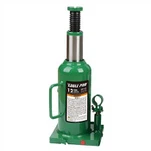
A bottle jack is a hydraulic lifting device commonly used in automotive and industrial settings. Its compact design and robust lifting capabilities make it a popular choice for raising heavy loads. However, the question of whether it is advisable to leave a bottle jack on its side is crucial for both safety and the proper functioning of the equipment.
First and foremost, it is important to understand the anatomy and working principles of a bottle jack. These jacks consist of a hydraulic cylinder, a piston, a pump, and a release valve. The hydraulic fluid, usually oil, is pumped into the cylinder, causing the piston to rise and lift the load. When the load is lifted to the desired height, the release valve allows for a controlled descent.
The proper storage and handling of a bottle jack play a significant role in its longevity and performance. While it is generally acceptable to transport a bottle jack in a horizontal position, leaving it on its side for an extended period may have implications for its functionality.
One primary concern with leaving a bottle jack on its side is the potential for air to enter the hydraulic system. The hydraulic fluid needs to be free of air bubbles to ensure smooth and reliable operation. When a bottle jack is placed horizontally, there is a risk that air could be introduced into the hydraulic fluid, leading to decreased efficiency and potentially causing the jack to fail.
Additionally, the position of a bottle jack can impact the effectiveness of the seals within the hydraulic system. Seals are crucial components that prevent leaks and maintain the integrity of the hydraulic fluid. Placing the jack on its side may subject these seals to uneven pressure, potentially compromising their effectiveness over time.
Another consideration is the potential for oil leakage. Bottle jacks are filled with hydraulic oil, and when placed horizontally, there is an increased risk of oil seepage, especially if the jack is not designed or sealed for horizontal storage. Oil leakage not only poses an environmental concern but can also result in a loss of hydraulic fluid, leading to diminished performance and potential damage to the equipment.
It is important to note that manufacturers typically provide guidelines for the proper storage and usage of their equipment. Users should consult the user manual or contact the manufacturer directly to obtain specific information on the recommended orientation for storing a particular bottle jack model.