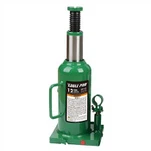
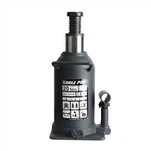
When it comes to jacks for automotive maintenance and repairs, there are two main materials to consider: aluminum or steel. Both aluminum and steel jacks have their strengths and weaknesses, and the decision you make will depend on your personal preferences and needs.
Firstly, let's take a look at aluminum jacks. These jacks are lightweight and easy to maneuver, which makes them an ideal choice for those who need to transport them between different locations. They are also corrosion-resistant, making them durable and long-lasting. Aluminum jacks usually have a lower weight capacity than steel jacks, but they can still support the weight of most cars and light trucks. If you have a smaller vehicle or only need to lift it occasionally, an aluminum jack might be the better choice for you.
On the other hand, steel jacks are known for their strength and durability. They can handle heavier weight capacities than aluminum jacks and are more suited to larger vehicles like trucks and SUVs. Steel jacks are also more resistant to wear and tear and tend to last longer than aluminum jacks. Additionally, steel jacks are often less expensive than their aluminum counterparts, making them a more budget-friendly option.
When choosing between aluminum or steel jacks, it's also crucial to consider the specific features of each jack. For example, some aluminum jacks have shorter lifting ranges than steel jacks, which can make them difficult to use on some vehicles. Similarly, some steel jacks are heavier and bulkier than aluminum jacks, making them harder to maneuver or store.
Ultimately, the decision between aluminum or steel jacks comes down to what you need from your jack. If you have a small car and need to lift it occasionally, an aluminum jack might be perfect. However, if you have larger vehicles and require a more durable and heavy-duty jack, then a steel jack might be the better option.