Lifting a house using a 12-ton bottle jack is a complex and potentially dangerous task that requires careful consideration of various factors. Before attempting such a project, it is crucial to understand the principles of house lifting, the capabilities and limitations of the equipment, and the potential risks involved.
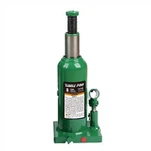
A bottle jack is a hydraulic device designed to lift heavy loads vertically. It consists of a vertical hydraulic cylinder that supports a platform, which directly bears the load. The lifting force is generated by pumping hydraulic fluid into the cylinder, causing the piston to move upward and lift the load. In the case of a 12-ton bottle jack, it is designed to handle a maximum load of 12 tons (24,000 pounds).
Lifting a house involves raising the entire structure off its foundation for various reasons, such as addressing foundation issues, making repairs, or elevating the building to mitigate flood risks. This process is often performed by professionals with specialized equipment and expertise. Using a 12-ton bottle jack for such a task raises concerns about its capacity to handle the weight of an entire house, as houses can weigh significantly more than 12 tons.
Before attempting to lift a house, it is essential to consider the total weight of the structure, including its contents and any additional loads. Houses can weigh anywhere from a few tons to tens of tons, depending on their size, construction materials, and furnishings. Consulting with a structural engineer or a professional house lifting contractor is strongly recommended to assess the specific requirements and potential risks associated with the project.
One of the critical considerations when lifting a house is the distribution of weight and the placement of the bottle jack or jacks. Placing a jack in an improper location or under an unsupported section of the structure can lead to structural damage or even a catastrophic failure. Professionals typically use a carefully planned approach, often employing multiple jacks strategically positioned to distribute the load evenly.
Additionally, safety precautions must be a top priority when attempting to lift a house. Adequate support systems, such as cribbing or steel beams, should be used to stabilize the structure during the lifting process. Failing to provide proper support can result in the collapse of the building, posing serious risks to workers and bystanders.
While a 12-ton bottle jack is a powerful tool designed for lifting heavy loads, attempting to lift an entire house with such equipment is a complex and risky undertaking. Professional expertise, careful planning, and adherence to safety guidelines are essential for ensuring the success and safety of any house lifting project. It is strongly advised to consult with qualified professionals before attempting such a task to avoid potential hazards and ensure the structural integrity of the building.