Bottle jacks and trolley jacks are both hydraulic lifting tools commonly used for raising heavy objects, vehicles, and equipment in various industrial, automotive, and construction applications. While they serve similar purposes, there are significant differences between the two types of jacks in terms of design, functionality, portability, lifting capacity, and application suitability. Let's explore the key differences between bottle jacks and trolley jacks:
1. Design and Construction:
Bottle Jacks:
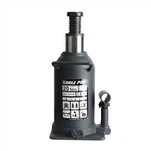
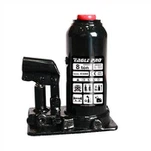
Bottle jacks feature a cylindrical body (resembling a bottle) with a vertical hydraulic piston that extends from the top.
The hydraulic piston is actuated by a pumping mechanism (often operated by a lever) to raise the load vertically.
Bottle jacks are typically compact and have a smaller footprint compared to trolley jacks, making them suitable for use in confined spaces or low-clearance environments.
Trolley Jacks:
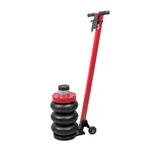
Trolley jacks consist of a horizontal frame or chassis mounted on wheels (similar to a trolley) with a hydraulic lifting mechanism.
The lifting mechanism includes a horizontal hydraulic piston that moves along a track or guide within the chassis, allowing for horizontal and vertical movement.
Trolley jacks are generally larger and heavier than bottle jacks due to their wheeled chassis and horizontal design.
2. Lifting Capacity:
Bottle Jacks:
Bottle jacks are available in a wide range of lifting capacities, typically ranging from 2 tons to 50 tons or more.
They are commonly used for lifting vehicles, machinery, and heavy equipment in automotive, construction, and industrial applications.
Trolley Jacks:
Trolley jacks are also available in various lifting capacities, typically ranging from 1.5 tons to 3 tons for consumer-grade models and up to 10 tons or more for heavy-duty models.
Trolley jacks are often used for lifting vehicles, such as cars, SUVs, and light trucks, in automotive maintenance and repair shops.
3. Lifting Range and Height:
Bottle Jacks:
Bottle jacks typically have a limited lifting range and height due to their vertical design.
The maximum extension height of a bottle jack is determined by the length of the hydraulic piston and the size of the cylinder.
Bottle jacks may require additional blocking or cribbing to achieve the desired lifting height for certain applications.
Trolley Jacks:
Trolley jacks offer a greater lifting range and height compared to bottle jacks due to their horizontal design.
The lifting arm of a trolley jack can extend further horizontally, allowing for higher lifting heights without the need for additional blocking or cribbing.
4. Stability and Maneuverability:
Bottle Jacks:
Bottle jacks have a relatively narrow base and a high center of gravity, which may affect their stability, especially when lifting heavy loads.
They are less maneuverable than trolley jacks due to their stationary design and lack of wheels.
Trolley Jacks:
Trolley jacks have a wider base and lower center of gravity, providing greater stability when lifting heavy loads.
They are highly maneuverable due to their wheeled chassis, allowing users to position the jack easily under the vehicle and move it around the work area.
5. Portability and Storage:
Bottle Jacks:
Bottle jacks are generally more compact and portable than trolley jacks due to their cylindrical design and smaller footprint.
They are easier to store in tight spaces or transport in vehicles, making them suitable for on-the-go applications or remote job sites.
Trolley Jacks:
Trolley jacks are larger and heavier than bottle jacks, making them less portable and more challenging to transport.
They require more storage space due to their bulkier design and wheeled chassis, limiting their suitability for compact work areas or mobile applications.
6. Application Suitability:
Bottle Jacks:
Bottle jacks are commonly used for lifting heavy objects, machinery, and equipment in industrial, construction, and maintenance applications.
They are well-suited for applications where vertical lifting is required and space is limited, such as under vehicles or in confined spaces.
Trolley Jacks:
Trolley jacks are primarily used for automotive maintenance and repair tasks, such as lifting vehicles for tire changes, brake repairs, and suspension work.
They are ideal for applications where horizontal and vertical movement is needed, such as positioning the jack under the vehicle and lifting it to the desired height.
Conclusion:
In summary, bottle jacks and trolley jacks are both hydraulic lifting tools commonly used in various industrial, automotive, and construction applications. While they serve similar purposes, they differ in design, functionality, lifting capacity, height range, stability, portability, and application suitability. Bottle jacks feature a vertical design with a cylindrical body and are suitable for vertical lifting tasks in confined spaces. Trolley jacks, on the other hand, have a horizontal chassis with wheels and offer greater stability, maneuverability, and lifting range, making them ideal for automotive maintenance and repair tasks. Understanding the differences between bottle jacks and trolley jacks can help users choose the right tool for their specific lifting needs.
Bottle jacks and trolley jacks are both hydraulic lifting tools commonly used for raising heavy objects, vehicles, and equipment in various industrial, automotive, and construction applications. While they serve similar purposes, there are significant differences between the two types of jacks in terms of design, functionality, portability, lifting capacity, and application suitability. Let's explore the key differences between bottle jacks and trolley jacks:
1. Design and Construction:
Bottle Jacks:
Bottle jacks feature a cylindrical body (resembling a bottle) with a vertical hydraulic piston that extends from the top.
The hydraulic piston is actuated by a pumping mechanism (often operated by a lever) to raise the load vertically.
Bottle jacks are typically compact and have a smaller footprint compared to trolley jacks, making them suitable for use in confined spaces or low-clearance environments.
Trolley Jacks:
Trolley jacks consist of a horizontal frame or chassis mounted on wheels (similar to a trolley) with a hydraulic lifting mechanism.
The lifting mechanism includes a horizontal hydraulic piston that moves along a track or guide within the chassis, allowing for horizontal and vertical movement.
Trolley jacks are generally larger and heavier than bottle jacks due to their wheeled chassis and horizontal design.
2. Lifting Capacity:
Bottle Jacks:
Bottle jacks are available in a wide range of lifting capacities, typically ranging from 2 tons to 50 tons or more.
They are commonly used for lifting vehicles, machinery, and heavy equipment in automotive, construction, and industrial applications.
Trolley Jacks:
Trolley jacks are also available in various lifting capacities, typically ranging from 1.5 tons to 3 tons for consumer-grade models and up to 10 tons or more for heavy-duty models.
Trolley jacks are often used for lifting vehicles, such as cars, SUVs, and light trucks, in automotive maintenance and repair shops.
3. Lifting Range and Height:
Bottle Jacks:
Bottle jacks typically have a limited lifting range and height due to their vertical design.
The maximum extension height of a bottle jack is determined by the length of the hydraulic piston and the size of the cylinder.
Bottle jacks may require additional blocking or cribbing to achieve the desired lifting height for certain applications.
Trolley Jacks:
Trolley jacks offer a greater lifting range and height compared to bottle jacks due to their horizontal design.
The lifting arm of a trolley jack can extend further horizontally, allowing for higher lifting heights without the need for additional blocking or cribbing.
4. Stability and Maneuverability:
Bottle Jacks:
Bottle jacks have a relatively narrow base and a high center of gravity, which may affect their stability, especially when lifting heavy loads.
They are less maneuverable than trolley jacks due to their stationary design and lack of wheels.
Trolley Jacks:
Trolley jacks have a wider base and lower center of gravity, providing greater stability when lifting heavy loads.
They are highly maneuverable due to their wheeled chassis, allowing users to position the jack easily under the vehicle and move it around the work area.
5. Portability and Storage:
Bottle Jacks:
Bottle jacks are generally more compact and portable than trolley jacks due to their cylindrical design and smaller footprint.
They are easier to store in tight spaces or transport in vehicles, making them suitable for on-the-go applications or remote job sites.
Trolley Jacks:
Trolley jacks are larger and heavier than bottle jacks, making them less portable and more challenging to transport.
They require more storage space due to their bulkier design and wheeled chassis, limiting their suitability for compact work areas or mobile applications.
6. Application Suitability:
Bottle Jacks:
Bottle jacks are commonly used for lifting heavy objects, machinery, and equipment in industrial, construction, and maintenance applications.
They are well-suited for applications where vertical lifting is required and space is limited, such as under vehicles or in confined spaces.
Trolley Jacks:
Trolley jacks are primarily used for automotive maintenance and repair tasks, such as lifting vehicles for tire changes, brake repairs, and suspension work.
They are ideal for applications where horizontal and vertical movement is needed, such as positioning the jack under the vehicle and lifting it to the desired height.
Conclusion:
In summary, bottle jacks and trolley jacks are both hydraulic lifting tools commonly used in various industrial, automotive, and construction applications. While they serve similar purposes, they differ in design, functionality, lifting capacity, height range, stability, portability, and application suitability. Bottle jacks feature a vertical design with a cylindrical body and are suitable for vertical lifting tasks in confined spaces. Trolley jacks, on the other hand, have a horizontal chassis with wheels and offer greater stability, maneuverability, and lifting range, making them ideal for automotive maintenance and repair tasks. Understanding the differences between bottle jacks and trolley jacks can help users choose the right tool for their specific lifting needs.