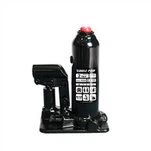
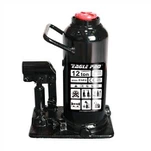
The lifting capacity of a bottle jack varies depending on its size, design, and construction. Bottle jacks are available in a wide range of lifting capacities to suit different lifting requirements, from light-duty applications to heavy-duty industrial tasks. Typically, bottle jacks are designed to lift loads ranging from a few tons to several dozen tons. Let's delve deeper into the factors that determine the lifting capacity of a bottle jack:
1. Size and Design:
Bottle jacks come in various sizes, ranging from compact models for automotive use to larger models for industrial applications. The size of the jack, including the diameter and height of the hydraulic cylinder, plays a significant role in determining its lifting capacity. Larger bottle jacks with thicker cylinders and wider bases are generally capable of lifting heavier loads compared to smaller jacks.
2. Hydraulic System:
The hydraulic system of a bottle jack comprises a hydraulic piston, cylinder, pump, and release valve. The lifting capacity of the jack is primarily determined by the hydraulic pressure generated within the system. Higher hydraulic pressure allows the jack to lift heavier loads, while lower pressure limits its lifting capacity. Manufacturers design bottle jacks with hydraulic systems that are optimized for specific lifting capacities, ensuring reliable and consistent performance.
3. Material and Construction:
The material and construction of a bottle jack significantly impact its lifting capacity and overall durability. High-quality bottle jacks are typically constructed from strong and durable materials such as steel or cast iron. These materials provide the structural integrity and load-bearing capacity necessary to lift heavy loads safely. Manufacturers may also incorporate reinforcement features such as welded seams, thickened walls, and reinforced bases to enhance the jack's strength and stability.
4. Safety Factor:
Bottle jacks are engineered with a safety factor that accounts for dynamic loads, shock loading, and other factors that may exceed the jack's rated capacity. The safety factor ensures that the jack can safely handle occasional overloads or unexpected forces without failing catastrophically. However, users should always adhere to the manufacturer's recommendations and avoid exceeding the jack's rated capacity to minimize the risk of accidents or equipment damage.
Common Lifting Capacities:
While the lifting capacity of bottle jacks can vary widely depending on their size and design, here are some common lifting capacities found in bottle jacks:
Light-duty bottle jacks: These jacks typically have lifting capacities ranging from 2 tons to 6 tons and are commonly used for automotive maintenance and repair tasks, such as lifting cars, SUVs, and light trucks.
Medium-duty bottle jacks: These jacks have lifting capacities ranging from 8 tons to 20 tons and are suitable for a wide range of industrial, construction, and maintenance applications, including lifting heavy machinery, equipment, and structural components.
Heavy-duty bottle jacks: These jacks are capable of lifting loads exceeding 20 tons and are designed for heavy-duty industrial lifting tasks, such as lifting large vehicles, heavy equipment, and industrial machinery.
Considerations for Safe Operation:
When using a bottle jack, it's essential to follow proper safety precautions to prevent accidents and injuries. Here are some key considerations for safe operation:
Always check the manufacturer's specifications and guidelines to ensure that the bottle jack is suitable for the intended lifting task and load capacity.
Position the bottle jack on a stable and level surface to prevent tipping or instability during lifting operations.
Use appropriate lifting points on the load to distribute the weight evenly and minimize the risk of slippage or shifting.
Never exceed the rated capacity of the bottle jack, as this can lead to equipment failure, damage, or personal injury.
Regularly inspect the bottle jack for signs of wear, damage, or hydraulic fluid leaks, and perform maintenance as needed to ensure proper functioning.
Use jack stands or support blocks to secure the lifted load and provide additional safety during maintenance or repair tasks.
By adhering to these safety guidelines and selecting the appropriate bottle jack for the lifting task at hand, users can safely and effectively lift heavy loads with confidence. Whether it's lifting vehicles, machinery, equipment, or structural components, bottle jacks provide the lifting power and reliability needed to tackle a wide range of lifting applications in industrial, automotive, construction, and maintenance settings.