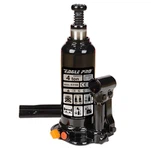
Jacking up your car is a common necessity for various automotive tasks, such as changing a tire, performing maintenance, or conducting repairs. However, improper preparation can lead to accidents or injuries. To ensure a safe and effective lifting process, it's essential to take specific precautions and follow certain steps before you start jacking up your vehicle. In this essay, we will discuss the necessary preparations, safety precautions, and considerations to take into account before lifting your car.
1. Gather Necessary Tools and Equipment
Before you begin the process, it's crucial to gather all the necessary tools and equipment. Having everything on hand ensures that you can perform the task efficiently and safely. Common items you may need include:
Jack: Choose the appropriate type for your vehicle. A hydraulic floor jack is generally recommended for its stability and ease of use.
Jack Stands: These are essential for providing stable support once the car is lifted. Never rely solely on the jack for support.
Wheel Chocks: These are used to prevent the vehicle from rolling while it is elevated. They should be placed on the opposite side of the car from where you will be jacking.
Lug Wrench: If you are changing a tire, have a lug wrench ready to remove the wheel bolts.
Gloves and Safety Goggles: Personal protective equipment is always a good idea to ensure your safety during the process.
2. Choose a Suitable Location
The location where you decide to jack up your car plays a crucial role in safety and stability. Choose a flat, solid surface, such as a garage floor or a level driveway, to prevent the vehicle from rolling or tipping over. Avoid soft or uneven ground, such as dirt or gravel, as these surfaces can compromise the stability of the jack and jack stands. Additionally, make sure there are no obstacles nearby that could impede your work or cause injury.
3. Park the Car Properly
Before you begin lifting the vehicle, it is essential to park it properly. Here are some steps to follow:
Turn off the Engine: Ensure that the car is turned off and in the "Park" position (for automatic transmissions) or in gear (for manual transmissions).
Engage the Parking Brake: Activating the parking brake is critical to prevent the vehicle from rolling. This adds an extra layer of safety while the car is being lifted.
Check for Traffic: If you are working on the side of the road, ensure that the area is clear of traffic. If necessary, use hazard lights to alert other drivers.
4. Inspect the Vehicle and Jack
Before lifting the vehicle, conduct a thorough inspection of both the car and the jack:
Inspect the Vehicle: Check the vehicle's jacking points, which are usually indicated in the owner's manual. These points are specifically designed to support the weight of the car when lifted. Avoid using parts of the car that are not structurally sound, such as the body panels or suspension components.
Inspect the Jack and Jack Stands: Ensure that the jack and jack stands are in good condition. Check for any signs of damage, such as cracks or bends, and make sure that the hydraulic fluid levels in the jack are adequate. If using a hydraulic floor jack, ensure that it can hold the weight of your vehicle.
5. Prepare for the Lift
With the tools and vehicle inspected, you can now prepare for the lift:
Position the Jack: Place the jack at the appropriate jacking point and ensure it is perpendicular to the ground for maximum stability.
Place Wheel Chocks: Position wheel chocks on the tires opposite to where you will be lifting the vehicle. This will prevent movement and provide added safety.
Read the Instructions: If you are using a jack for the first time, take a moment to read the manufacturer's instructions to ensure you understand how to operate it correctly.
6. Use Caution and Take Your Time
As with any mechanical task, safety should be your top priority. Take your time and remain focused throughout the process. Avoid rushing, and do not attempt to lift the car if you are unsure about any part of the procedure. If you are working with a friend or another person, communicate clearly about what you are doing and any actions that require teamwork, such as holding the jack in place while it is being adjusted.
7. Additional Safety Tips
In addition to the aforementioned steps, consider these additional safety tips:
Never Place Body Parts Underneath a Vehicle Supported Only by a Jack: Always use jack stands for support once the car is lifted.
Keep Children and Pets Away: Ensure that the area is clear of children and pets, as they can be curious and pose a risk during the lifting process.
Have a Plan for Emergencies: Know how to lower the vehicle safely and what to do in case something goes wrong. Familiarize yourself with the emergency release mechanism of the jack.