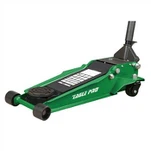
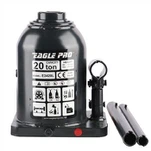
The safety of bottle jacks versus floor jacks is a topic of consideration among users of hydraulic lifting equipment. Both types of jacks have their own advantages and disadvantages, and safety largely depends on factors such as proper usage, maintenance, load conditions, and the specific application. In this comprehensive overview, we will examine the safety aspects of bottle jacks and floor jacks, highlighting their respective strengths and potential risks to help users make informed decisions regarding which jack to use for different tasks.
Safety Considerations for Bottle Jacks:
Bottle jacks, like any lifting equipment, can be safe when used correctly and responsibly. Here are some safety considerations specific to bottle jacks:
Weight Capacity: One of the primary safety concerns with bottle jacks is overloading. Users must ensure that the weight of the load being lifted does not exceed the jack's specified weight capacity. Overloading can lead to catastrophic failure, causing the jack to collapse or the hydraulic system to rupture.
Stability: Bottle jacks have a narrower base compared to floor jacks, which can affect their stability. To mitigate the risk of tipping or shifting, users must place the jack on a level, stable surface and ensure that the load is evenly distributed on the saddle.
Support Structures: When lifting a vehicle or load, it is essential to use appropriate support structures, such as jack stands, to secure the load once it is raised. Relying solely on the jack for support is not safe, as hydraulic systems can fail over time.
Regular Maintenance: Regularly inspecting the bottle jack for leaks, checking the hydraulic fluid level, and examining components for wear or damage is crucial. Neglecting maintenance can lead to reduced performance and potential safety hazards.
Lifting Points: Users must follow recommended lifting points and procedures provided in the vehicle's owner's manual or equipment guidelines. Incorrectly placed jacks can damage the load and pose safety risks.
Safety Considerations for Floor Jacks:
Floor jacks, like bottle jacks, have their own set of safety considerations. Here are some key points to keep in mind when using floor jacks:
Weight Capacity: Similar to bottle jacks, floor jacks have weight capacity ratings that must not be exceeded. Overloading a floor jack can lead to failure and accidents.
Stability: Floor jacks offer better stability than bottle jacks due to their wider base and the added mobility provided by wheels and casters. However, users must still ensure that the jack is placed on a level and stable surface.
Mobility: Floor jacks with wheels and casters are designed for easy mobility and maneuverability. While this can be an advantage, users must exercise caution when moving the jack, especially on uneven surfaces, to prevent accidents.
Low-Profile Options: Some floor jacks are available in low-profile designs, making them suitable for vehicles with limited ground clearance. However, these jacks may have reduced lifting height, so users should confirm that they meet the specific requirements of their tasks.
Support Structures: As with bottle jacks, floor jacks should be used in conjunction with appropriate support structures like jack stands to secure the load. Reliance solely on the jack for support is not recommended.
Conclusion:
The safety of bottle jacks versus floor jacks depends on several factors, including proper usage, maintenance, load conditions, and the specific application. Neither type of jack can be definitively declared safer than the other, as both can be used safely when users adhere to safety guidelines and best practices.
To ensure safe lifting operations, users should:
Always respect weight capacity ratings and avoid overloading.
Inspect and maintain their jacks regularly.
Use appropriate support structures like jack stands.
Follow recommended lifting points and procedures provided by the manufacturer or equipment guidelines.
Place the jack on level, stable surfaces.
Ultimately, the choice between bottle jacks and floor jacks should be based on the specific lifting requirements, available space, and mobility needs of the user, rather than solely on safety considerations. Users should be aware of the strengths and limitations of each type of jack and make informed decisions accordingly.